MotR
Seasonal · Winter Prep

Winter Car Checklist UK

Cold weather is the number one cause of preventable breakdowns in the UK. This complete winter checklist covers every item worth checking before temperatures drop — battery, tyres, antifreeze, lights and more.
Official UK dataFree to useInstant resultsNo account needed
Winter Car Checklist UK
The short answer

Prepare by October — before temperatures drop

Before UK winter, check: battery health (replace if over 4 years and struggling), tyre tread (3mm+ and correct pressure), antifreeze concentration (50:50 mix, protection to -35°C), screenwash rated to -15°C, all lights operational, wiper blades smear-free, and front/rear demisters working. Prepare an emergency kit for longer journeys: ice scraper, jump leads, blanket, hi-vis and torch.

Checklist

Battery

Have battery tested if over 3 years old
Check terminal connections for corrosion and tighten if loose
Avoid draining battery with extended engine-off heating or lighting use
Checklist

Tyres

Check tread depth — legal minimum 1.6mm, replace at 3mm
Check tyre pressures (cold, use handbook specification)
Inspect sidewalls for cracking or bulges
Consider all-season or winter tyres if driving in high-risk areas
Checklist

Fluids

Check antifreeze concentration and top up to 50:50 mix
Ensure screenwash is at least -15°C rated dilution
Check engine oil level and condition
Check brake fluid level and age (replace if over 2 years old)
Checklist

Lights

Test all lights — headlights, sidelights, brake lights, fog lights
Clean light lenses of road grime and salt residue
Check interior dashboard illumination
Carry spare bulbs (many cars — check before you drive)
Checklist

Visibility

Replace wiper blades if smearing or streaking
Apply rain repellent to windscreen and side windows
Check heater and demister works on all settings
Ensure rear heated screen is functional
Checklist

Emergency kit

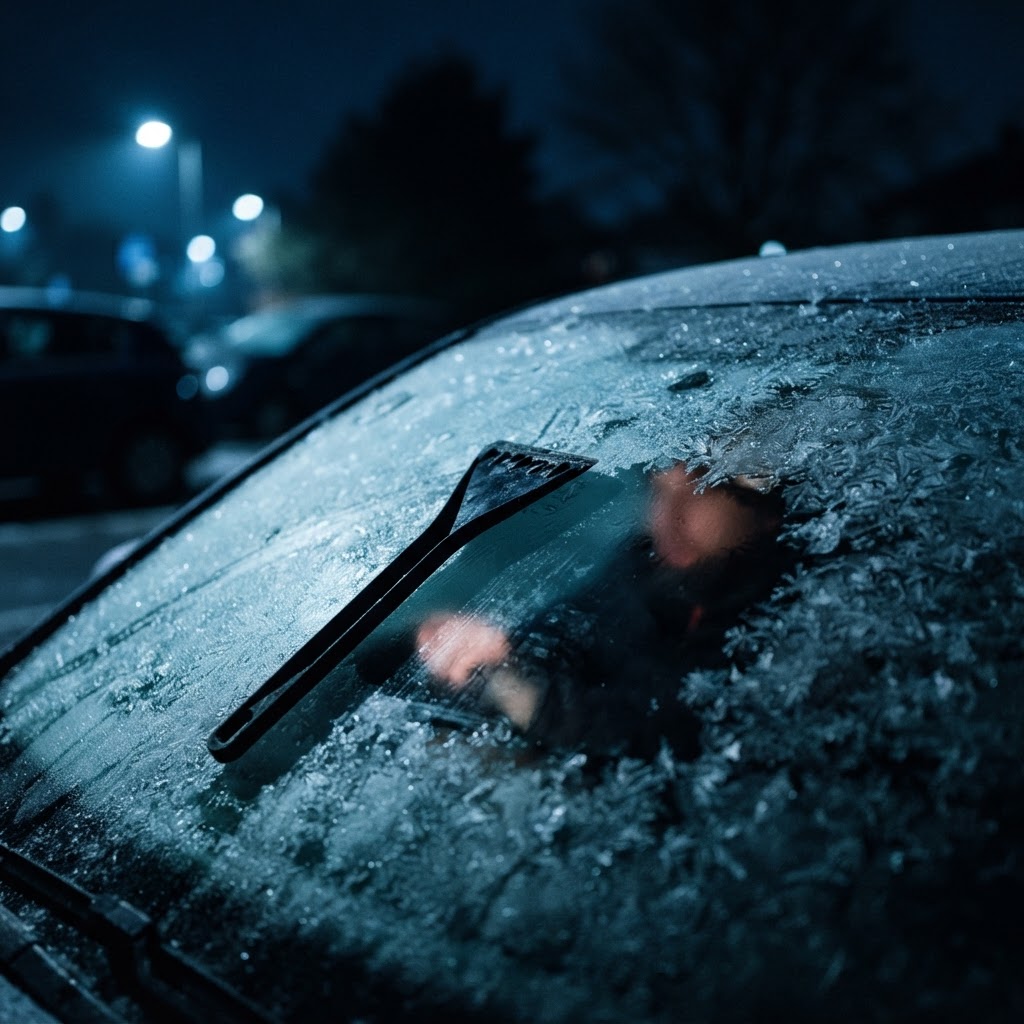
Carry an ice scraper and de-icer
Keep a blanket, hi-vis vest and torch in the boot
Pack jump leads or a portable starter pack
Carry warm clothes and bottled water for long journeys

Set a Winter MOT Reminder

Never get caught with an expired MOT in the coldest months — set a free reminder.

Check MOT History Free →
Questions & answers

Frequently Asked Questions

When should I prepare my car for winter in the UK?
Ideally by October, before temperatures drop consistently below 7°C. At this threshold, summer tyres begin to lose grip and standard batteries start to struggle more. October is also a good time to test your battery load, check antifreeze concentration, and ensure all lights are operational before the mornings are fully dark.
Do I need winter tyres in the UK?
Legally, no — unlike many European countries, the UK has no legal requirement for winter tyres. However, in regions that see significant snowfall (Scotland, northern England, rural Wales), winter tyres provide a meaningful safety advantage. For most UK drivers in urban and suburban settings, all-season tyres are a practical compromise. Standard summer tyres become noticeably less grippy below 7°C even on dry roads.
What is the correct antifreeze mix for a UK winter?
For UK conditions, a 50:50 mix of coolant and distilled water provides protection to approximately -35°C, which exceeds any likely UK temperature. Never exceed 60% antifreeze — beyond this ratio, frost protection actually decreases and boiling point is affected. Always use the antifreeze type specified in your handbook — different formulations (OAT, HOAT, IAT) are not interchangeable in some vehicles.
How do I check if my screenwash will survive a frost?
Most screenwash concentrates are labelled with a dilution ratio and the corresponding temperature protection. At the standard 1:1 dilution, most protect to -15°C. During winter, either use a winter-specific concentrate or reduce the dilution to 1:3 concentrate-to-water to improve frost resistance. Never use washing-up liquid — it damages rubber seals and leaves a film on the screen.
How should I prepare my battery for winter?
Have any battery over 3–4 years old tested with a load tester before winter. Most car parts retailers (Halfords, Euro Car Parts) offer free battery testing. If the test shows reduced capacity, replace before it fails — batteries always choose the coldest morning to give up. If storing a vehicle for winter, use a smart trickle charger to maintain battery charge.
Does the MOT test change in winter?
The MOT test itself does not change seasonally, but winter increases the likelihood of certain failures: wiper blades deteriorate from ice and heavy use, screen washer jets freeze up, headlight aim can shift, tyres wear faster on cold roads, and starting components under extra load reveal weaknesses. Running a thorough pre-MOT check before a winter test date is particularly worthwhile.
Related tools

Related Tools & Resources

Winter preparation advice reflects UK conditions. The UK legal minimum tread depth is 1.6mm. MotR is not affiliated with DVLA, DVSA or any vehicle manufacturer. Last reviewed 13 June 2026.

Keep reading

Pre-MOT Checklist UK

Check every item before your MOT to avoid a preventable failure — lights, tyres, wipers and more.

Open