When To Change Brake Pads
Brake pads are a safety-critical wear item. Leave them too long and you risk a dangerous failure, an MOT failure, and a much more expensive repair. Here's what you need to know.
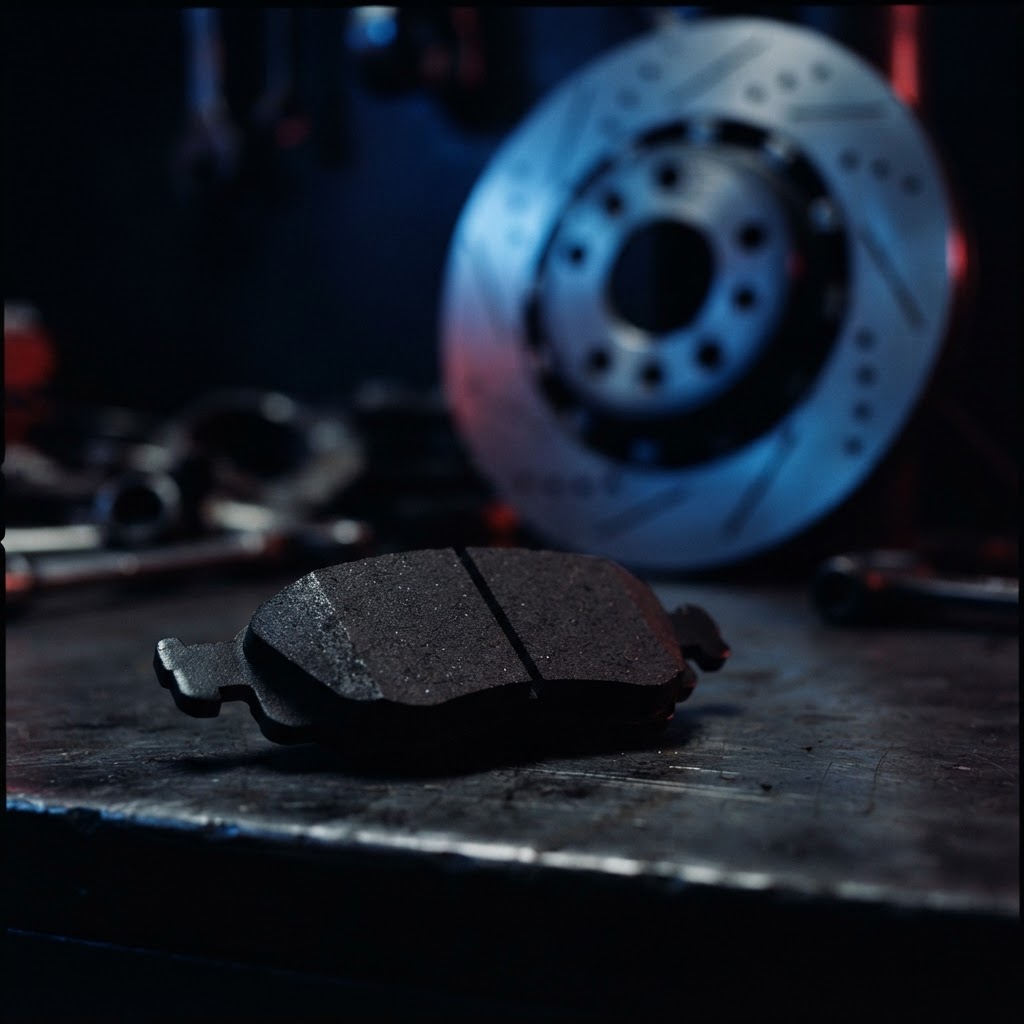
Replace at 3mm — never wait for metal-on-metal
Replace brake pads when the friction material reaches 3mm — most new pads are 10–12mm. Warning signs include a squealing noise when braking (wear indicator), a grinding or scraping sound (metal on metal — stop immediately), a brake pad warning light, or visually thin pads visible through the wheel spokes. Front brakes typically last 30,000–50,000 miles depending on driving style.
Warning Signs Your Brake Pads Need Replacing
Brake Pad Replacement Costs UK 2026
| Job | Independent garage | Main dealer | Notes |
|---|---|---|---|
| Front pads only (per axle) | £80–£160 | £140–£260 | Most common job |
| Rear pads only (per axle) | £70–£150 | £130–£240 | Often cheaper — simpler callipers |
| Front pads + discs (per axle) | £160–£320 | £250–£500 | Always replace discs in pairs |
| Rear pads + discs (per axle) | £140–£300 | £220–£450 | Rear disc replacement less common |
| All four corners (pads + discs) | £400–£750 | £700–£1,200+ | Full brake overhaul |
| Brake calliper replacement | £120–£250 each | £200–£400 each | If seized or leaking |
| Brake fluid change | £40–£80 | £70–£130 | Due every 2 years |
Check Your MOT Brake Advisories
Your free MOT history shows recorded brake wear advisories — check before booking a job.
Check MOT History Free →Frequently Asked Questions
How thick should brake pads be?
How much does it cost to replace brake pads in the UK?
Can I drive with worn brake pads?
How long do brake pads last in the UK?
Do I need to replace brake discs when I change pads?
Will worn brake pads cause an MOT failure?
Related Tools & Resources
← Maintenance Hub
All car maintenance guides
OpenBrake MOT Failures
How brakes fail the MOT
OpenMaintenance Costs
UK repair and maintenance prices
OpenMOT Failures Hub
All common MOT failures
OpenMOT History Free
Check your car's test records
OpenUsed Car Checks
Check brakes before buying
OpenInterim vs Full Service
When brakes get inspected
OpenVehicle Report
Full DVLA vehicle details lookup
OpenBrake pad life and costs are indicative UK figures for 2026 and vary by car, driving style and garage. MotR is not affiliated with DVLA, DVSA or any brake manufacturer. Always confirm wear limits in your owner's handbook. Last reviewed 13 June 2026.
When To Replace Tyres
Legal tread depth limits, age-related replacement, and what worn tyres cost at UK garages.